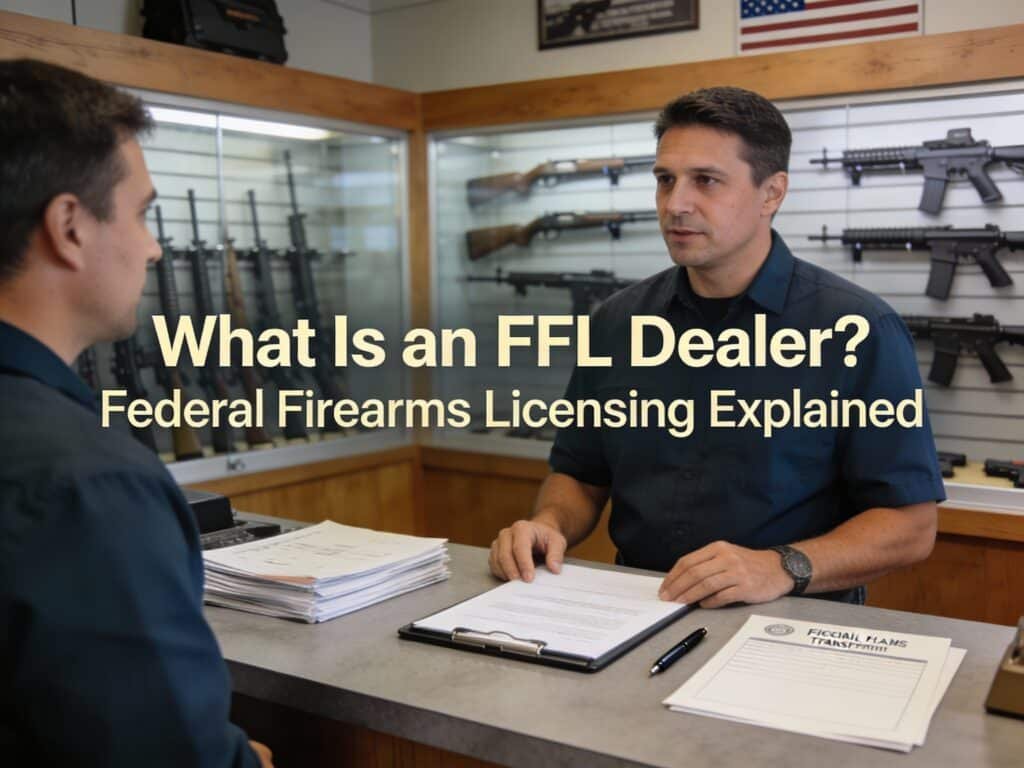
A Clear Explanation of What Is an FFL Dealer is?
Last updated: January 2026
By: Dustin Armstrong, Marketing Coordinator, FFL Merchant
Key Takeaways (TLDR)
What is an FFL dealer? A FFL dealer is a licensed firearms dealer. They can legally sell, receive, and transfer firearms in the United States. This license applies to individuals and firearms businesses that handle regulated firearm transactions.
FFL dealers manage background checks, required paperwork, and record keeping for all firearm purchases. They make sure each transfer follows federal law, state law, and local rules. Their role protects buyers, sellers, and dealers during firearm transactions.
Federal law requires most firearm transactions to go through an FFL holder so transfers occur under proper oversight. State law may add extra steps, but the federal firearms license FFL sets the national standard. Understanding this system helps first time buyers and experienced owners avoid delays, failed transfers, and compliance issues.
Table of Contents
Introduction
If you plan to buy or transfer a firearm, you will work with an FFL dealer. Even if you don’t go to a gun store, federal law says most gun sales must go through a licensed dealer.
This requirement often applies when someone buys a gun online, purchases from a seller in another state, or completes a sale at gun shows. A licensed dealer must receive the firearm in each case. They will process the transfer request before the buyer can take possession.
Federal law sets basic rules for all states. State and local laws may add stricter requirements related to waiting periods, age limits, or paperwork. In some states, buyers must be at least 21 years old for certain purchases. Asking the right questions before picking a dealer makes the transfer process clear and easy to follow.
What an FFL Dealer Is
An FFL dealer is a licensed firearms dealer. The Gun Control Act allows them to engage in regulated firearm activities. The Bureau of Alcohol, Tobacco, Firearms and Explosives issues and oversees this license.
Having a federal firearms license (FFL) lets a person or business sell firearms. It also allows them to receive firearms from other sellers and transfer firearms to approved buyers. Without this license, most firearm transactions cannot move forward legally, even when both parties can own firearms.
FFL dealers operate in many forms. Some run retail gun stores with walk in customers. Others are small businesses that handle transfers by appointment only. Regardless of business size, all dealers follow the same federal law and recordkeeping rules.
Several license types exist. A Type 07 manufacturer license allows a business to make firearms. A Type 08 importer license allows a business to bring firearms into the United States. These licenses follow added oversight, but still operate within the same federal law framework for firearm transactions.
Some FFL dealers also handle NFA firearms and NFA items such as suppressors and short barreled rifles. These transfers require extra forms, longer approval times, and careful compliance.
Why Federal Licensing Exists
Federal firearms licensing exists to make sure firearms move through legal and controlled channels. Licensing supports responsible ownership while allowing lawful sales and transfers.
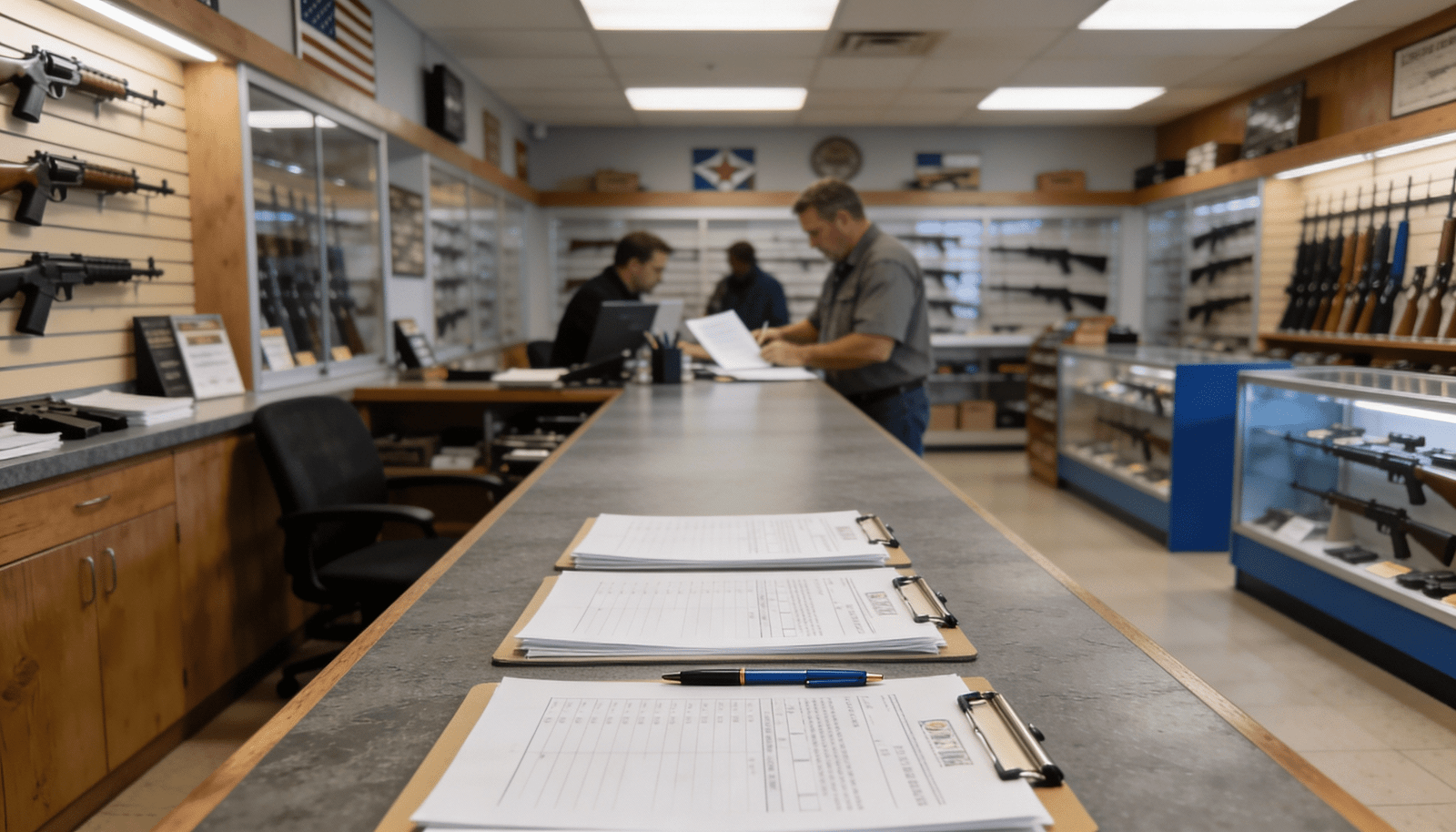
Under federal law, firearm transactions require background checks, identity verification, and clear documentation. FFL dealers complete ATF Form 4473 for most transfers and keep detailed records for each sale or transfer. These records allow authorities to follow a firearm’s history when legally required.
The licensing system also defines the application process for firearms businesses. Applicants submit business details, pay an application fee, and show intent to operate legally. This process limits licensing to qualified individuals and businesses that can conduct business responsibly.
Federal rules apply nationwide, but state and local laws may add more steps. Together, these layers form a complete system that governs firearm transactions.
What an FFL Dealer Is Allowed to Do
An FFL dealer may sell firearms to qualified buyers, receive firearms from sellers, and complete transfers after approval. The exact activities depend on the license type.
Dealers handle paperwork, background checks, and secure storage while transfers are pending. Many firearms businesses also help buyers understand required documents and timelines, which is especially helpful for first time buyers.
Some FFL holders accept transfer requests involving NFA firearms. These include suppressors and short barreled rifles. These transfers involve additional forms, longer processing times, and higher responsibility. Buyers should confirm services and contact information before starting these requests.
What an FFL Dealer Cannot Do
An FFL dealer cannot skip background checks or release a firearm without approval. They must follow federal law and state law for every transaction.
Dealers cannot ignore waiting periods, change records, or transfer firearms to prohibited persons. Personal relationships or past purchases do not change these rules. Each firearm transaction stands on its own record.
Dealers must also keep accurate records and provide documentation during inspections. Failure to comply can lead to fines, suspension, or loss of the license.
How FFL Dealers Fit Into Firearm Transfers
FFL dealers manage firearm transfers when buyers purchase firearms online or across state lines. Federal law requires the seller to ship the firearm to an FFL dealer in the buyer’s state of residence.
When the firearm arrives, the dealer records it, reviews documents, and contacts the buyer. The buyer completes ATF Form 4473 and the background check. After approval, the dealer releases the firearm.
Some private sales also require dealer involvement depending on state law. During the transfer process, buyers may pay a transfer fee and, for regulated firearms, an application fee. Planning ahead helps avoid delays.
👉 Related: FFL Dealer Near Me, Full Guide
Frequently Asked Questions
Do first time buyers need an FFL dealer?
Yes. Most first time buyers must complete purchases through an FFL dealer, especially for online or interstate sales.
Can an FFL dealer deny a transfer request?
Yes. Dealers may deny transfer requests based on policy, capacity, or compliance concerns.
Do all FFL dealers operate gun stores?
No. Many operate as appointment only firearms businesses without retail storefronts.
Do dealers publish contact information?
Most list basic contact information in official directories, though some require advance scheduling.
Final Takeaway
An FFL dealer connects firearm buyers and sellers through a lawful process. Federal law, state law, and local rules rely on these dealers to keep firearm transactions controlled and documented.
When buying from a gun store, online seller, or gun show, knowing how FFL dealers work can help. This knowledge helps buyers avoid confusion, delays, and extra costs. Knowledge leads to smoother and more reliable firearm transfers.