How to Find a Licensed Firearms Dealer and Understand Transfers, Fees, and Requirements
Last updated: December 2026
By: Dustin Armstrong, Marketing Coordinator, FFL Merchant
Key Takeaways
Finding an FFL dealer near me means finding a licensed firearms dealer. This dealer can handle legal firearm transfers under a federal firearms license (FFL). Not all FFL dealers offer the same services, charge the same FFL transfer fees, or accept the same payment methods. This guide explains what an FFL dealer is.
It also shows how to find one and how FFL transfers work. You will learn about the fees and will avoid getting caught off guard by surprise fees. Finally, it offers tips on choosing a reliable local dealer. This will help you avoid unexpected fees and delays.
Table of Contents
Introduction
When you search for an “FFL dealer near me,” you likely need to transfer a firearm legally. You might also want to purchase a firearm quickly and easily. This often happens when someone buys a gun online, buys from a private seller, or completes firearm deals across state lines.
Many dealers sell firearms online, but not all accept transfers. Fewer dealers explain fees, timing, or payment options clearly. Some firearms dealers mainly sell guns in their stores. Others work as appointment-only transfer firearms business locations or small businesses that do not advertise.
Knowing how FFL dealers work helps buyers avoid delays, extra costs, and problems with state and local laws. Knowing what to look for before choosing a dealer makes the transfer process smoother, more predictable, and legally compliant.
What Is an FFL Dealer?
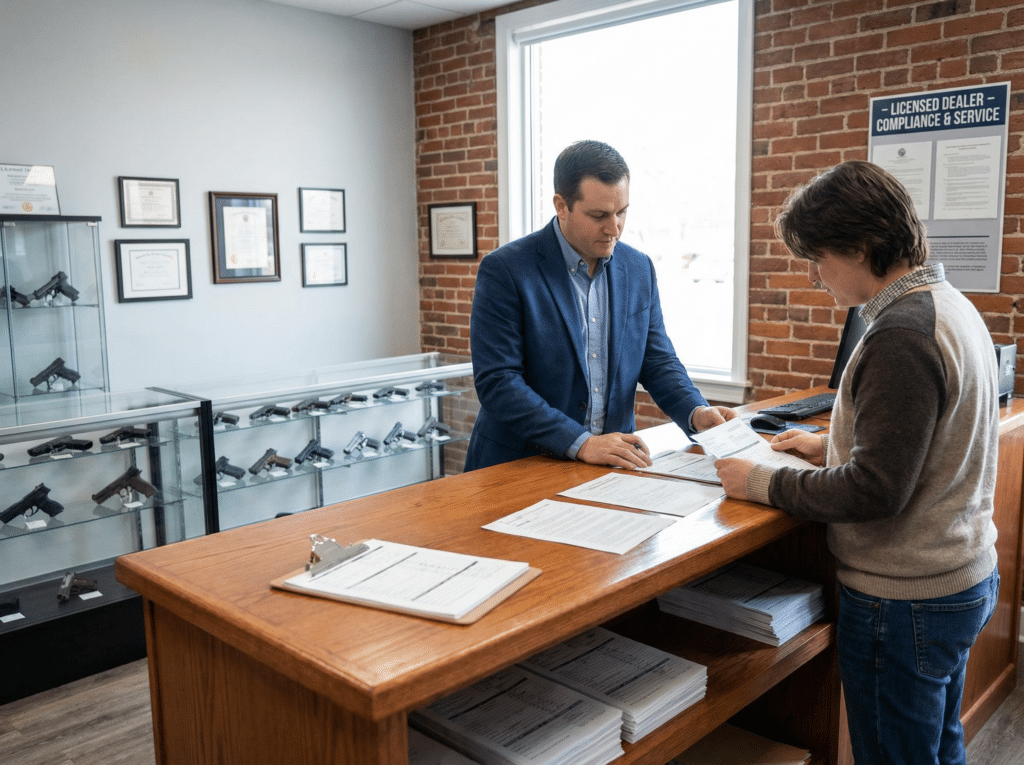
An FFL dealer is a person or business licensed by the federal government to sell, receive, or transfer firearms. The Gun Control Act grants the federal firearms license. The Bureau of Alcohol, Tobacco, Firearms, and Explosives (ATF) regulates it. Dealers with federal firearms licenses can legally handle firearm transactions for buyers and sellers.
Any buyer must have any firearm purchased online or from an out-of-state seller shipped to an FFL dealer for legal transfer. This includes most cases where someone buys a gun from another state, online, or from sellers at gun shows.
FFL dealers must do background checks. They need to keep required records.
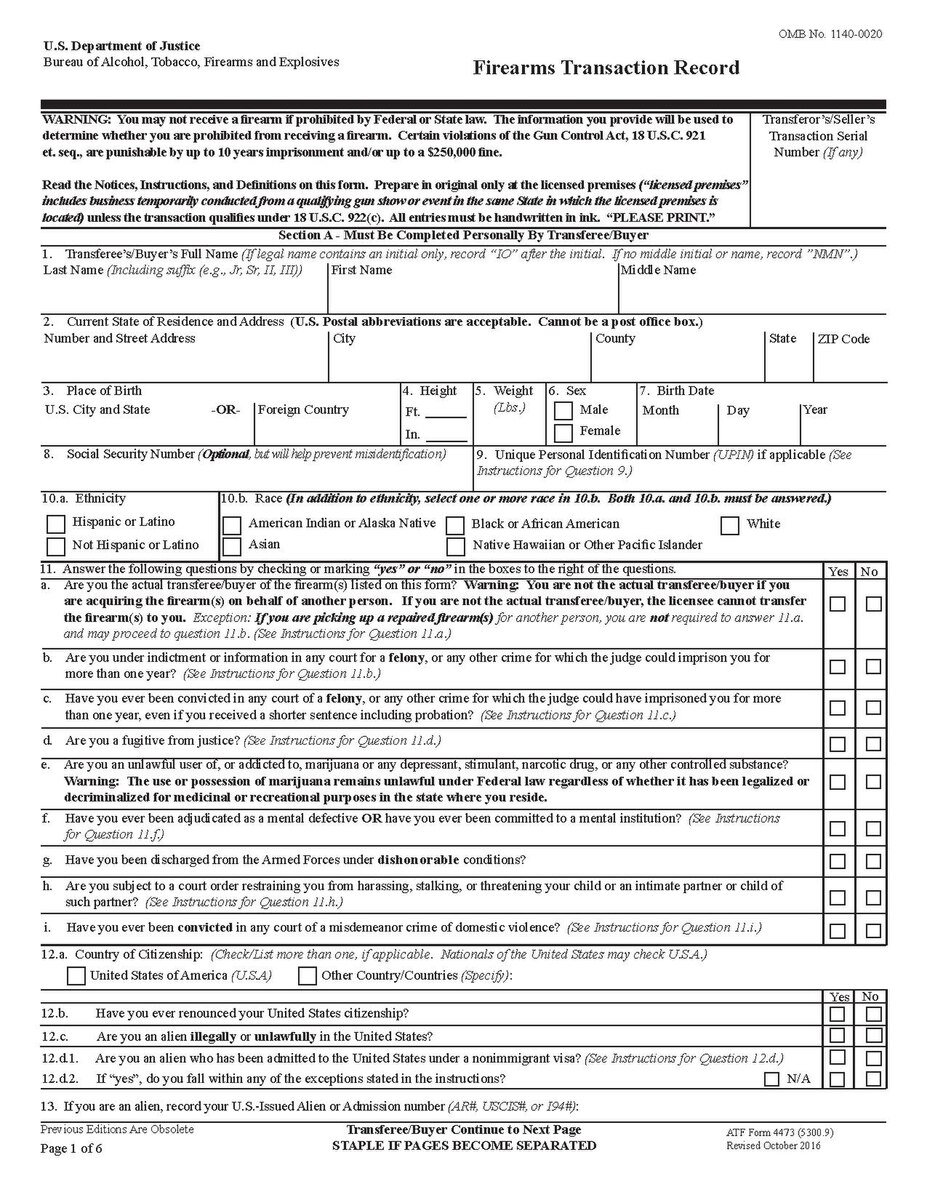
They also must ensure all transfers follow federal and state laws. During pickup, buyers complete ATF Form 4473, which documents the firearm transaction and confirms eligibility. Without an FFL dealer, most firearm transfers cannot legally take place.

How to Find an FFL Dealer Near Me
Finding an FFL dealer near you requires more than a simple map search. Not every gun dealer accepts outside transfers. Some licensed dealers also limit the types of firearms they sell. This includes NFA items and specialty firearms.
Many licensed dealers do not actively advertise online or operate by appointment only. The best way to find an active FFL dealer is to use verified FFL directories. These directories get their information from federal license records and check the dealer’s current status.
Common ways to find a nearby FFL dealer include:
- National FFL finder tools that allow searches by ZIP code
- Firearm marketplaces that maintain updated dealer databases
- Local gun stores or sporting goods retailers
Before selecting a dealer, always call ahead. Some FFL dealers accept transfers only under certain conditions. They may require approval before shipment. They might also charge different fees based on the type of firearm, the seller, or the amount of work needed for compliance.
👉 How to Find an FFL Dealer Near You
Understanding FFL Transfers
An FFL transfer is a legal process. You need it when you buy a gun. This applies if you purchase from an online store, a private seller, or someone in another state. These FFL transfers ensure firearm ownership changes hands legally and responsibly.
The seller ships the firearm to the chosen FFL dealer. When the firearm arrives, the buyer fills out the necessary paperwork. They also go through a background check.
Depending on state law, there may be a waiting period. In some jurisdictions, additional verification or processing steps may apply before release.
FFL transfers exist to protect buyers, sellers, and licensed dealers by creating a clear compliance record. State laws may add additional steps, documentation requirements, or holding periods based on state and local law.
👉 Understanding FFL Transfers
FFL Transfer Fees Explained
FFL transfer fees are set by individual dealers and are not standardized nationwide. Each dealer determines their own transfer fee structure based on workload, compliance responsibilities, and operating costs.
Most FFL transfer fees are between $20 and $75. However, prices can change based on location, dealer volume, and regulations. Specialty firearms, NFA items, or low-volume transfers may result in a higher processing fee.
Transfer fees typically cover:
- Time handling paperwork and documentation
- Background check processing
- Secure storage of the firearm
- Compliance and recordkeeping obligations
Payment processing challenges also influence pricing. Many FFL dealers work in cash-heavy settings because of limits on card use. This can change how they set, collect, and explain fees to customers.
👉 FFL Transfer Fees Explained
Tips for Choosing the Right FFL Dealer
The best FFL dealer is not always the closest one. Choosing the right local dealer can significantly impact turnaround time, communication quality, and overall experience.
Before choosing a dealer, confirm:
- Whether they accept transfers
- Their total transfer fee and any additional application fees
- Accepted payment methods
- Appointment or scheduling requirements
- Estimated turnaround time, which may range from same-day to 30 days in some jurisdictions
Clear communication matters. A reliable FFL dealer explains the process upfront, sets expectations clearly, and provides guidance on documentation requirements. Choosing the right dealer helps avoid delays, unexpected fees, and unnecessary frustration.
👉 How to Choose the Right FFL Dealer
Frequently Asked Questions About FFL Dealers
How do I verify that an FFL dealer is legitimate?
You can check a dealer using official FFL lookup tools. You can also ask for a copy of their license to confirm they are a licensed firearms dealer.
Can any FFL dealer accept a firearm transfer?
No. Some licensed dealers limit transfers or require advance approval before shipping firearms to their location.
Why do FFL transfer fees vary so much?
Fees depend on workload, compliance requirements, dealer volume, local regulations, and payment limitations.
Do all FFL dealers accept credit or debit cards for gun purchases?
No. Many dealers operate cash-only or accept limited payment methods because of payment processing challenges.
Final Thoughts – Local FFL Service Matters
Finding an FFL dealer near you is about more than proximity. Compliance, transparency, and reliability are essential when completing firearm transactions.
A skilled FFL dealer makes firearm transfers easier. They reduce delays and help buyers follow federal and state laws. Understanding how FFL dealers operate allows customers to choose wisely, avoid unexpected fees, and complete transfers with confidence.